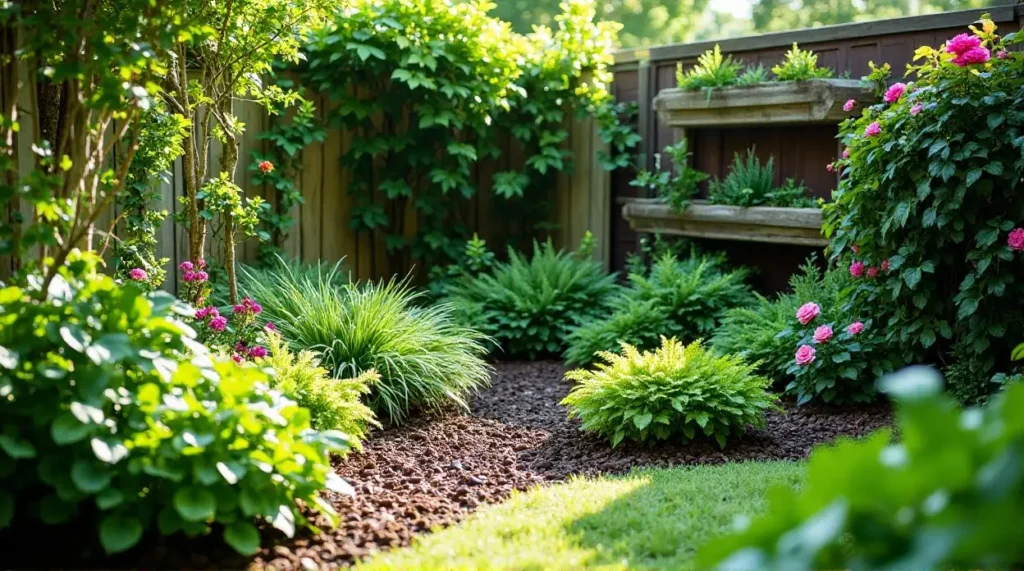
Creating a stunning corner landscape involves thoughtful planning and careful selection of plants that thrive in the unique conditions of corner spaces.
Here are several considerations and guidelines to help you choose the right plants with confidence:1. Assess the Site Conditions
- Sunlight Exposure: Determine how much sunlight the corner receives throughout the day (full sun, partial shade, or full shade).
- Soil Type: Analyze the soil (sandy, clay, loamy) and its drainage capabilities. A soil test can provide valuable insights into pH and nutrient levels.
- Microclimates: Identify any microclimates that may exist due to buildings, walls, or other structures impacting temperature and moisture levels.
2. Define Your Landscape Goals
- Aesthetic Appeal: Decide on the visual style you wish to achieve (formal, informal, modern, or cottage garden).
- Functionality: Consider how the area will be used (for relaxation, as a play area, or for entertaining).
- Seasonal Interest: Plan for year-round visual interest with a mix of perennials, annuals, and evergreens.
3. Choose the Right Plant Types
- Evergreens: Select evergreen plants for year-round structure and greenery. Options include:
- Boxwood
- Juniper
- Holly
- Flowering Plants: Incorporate flowering plants for seasonal color, such as:
- Hydrangeas
- Daylilies
- Coneflowers
- Ground Covers: Use ground covers to fill in spaces and prevent weeds:
- Creeping thyme
- Sedum
- Ajuga
- Vertical Interest: Consider climbing plants or trellises to utilize vertical space:
- Clematis
- Climbing roses
- Virginia creeper
4. Plan for Growth and Maintenance
- Mature Size: Research the mature size of each plant to avoid overcrowding and ensure adequate space for growth.
- Maintenance Requirements: Evaluate the maintenance needs (watering, pruning, fertilizing) to align with your lifestyle and capabilities.
- Pest and Disease Resistance: Select plants that are resilient to local pests and diseases to minimize care and intervention.
5. Incorporate Design Principles
- Layering: Use a layered approach by placing taller plants in the back and shorter ones in the front for depth and visual interest.
- Color Schemes: Create a cohesive color palette that complements your home and surrounding landscape.
- Texture Variety: Mix plants with different leaf shapes and textures to enhance visual appeal.
6. Consider Seasonal Changes
- Fall and Winter Interest: Choose plants that provide interest outside of the growing season, such as those with colorful berries or striking bark.
- Seasonal Blooms: Plan for a staggered blooming schedule to ensure continuous color throughout the year.
7. Sustainability Practices
- Native Plants: Opt for native species that are adapted to the local climate and require less maintenance and water.
- Drought-Tolerant Varieties: Include drought-tolerant plants to reduce water usage and promote sustainability.
- Pollinator-Friendly Choices: Select plants that attract pollinators to support local ecosystems.
8. Implementation and Care
- Proper Planting Techniques: Follow best practices for planting, including proper spacing, planting depth, and initial watering.
- Mulching: Apply mulch to help retain moisture, suppress weeds, and improve soil quality.
- Regular Maintenance: Develop a routine for watering, pruning, and monitoring plant health to ensure longevity and vibrancy.
- Plant Selection for Corner Landscapes: Choosing the Right Flora
By carefully considering these factors and making informed choices, you can achieve corner landscape perfection that enhances both the beauty and functionality of your outdoor space.
Comments
Post a Comment