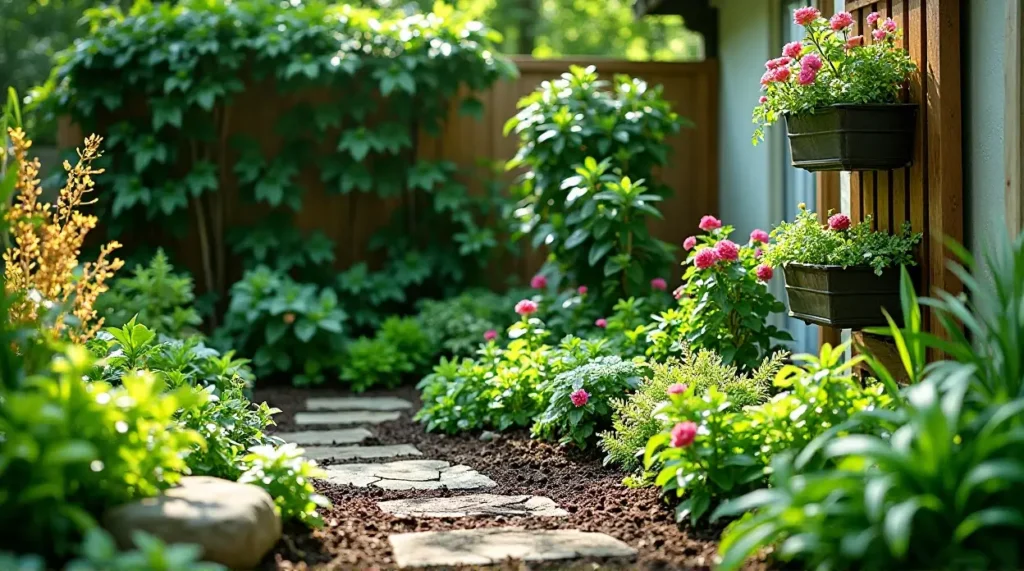
Transforming the corners of your space with the right flora can significantly enhance the aesthetic appeal and ambiance of your environment. This guide provides a comprehensive approach to selecting the ideal plants for your corners, ensuring they thrive and complement your decor.
1. Assess Your Environment
- Light Conditions: Determine the amount of natural light available—full sun, partial shade, or low light.
- Humidity Levels: Consider whether the area is dry, humid, or subject to temperature fluctuations.
- Space Dimensions: Measure the size of the corner to understand how much room you have for the plants.
2. Define Your Aesthetic Goals
- Style Preference: Decide on a design style—modern, rustic, contemporary, or traditional.
- Color Palette: Consider the colors in your space and how the plants can complement or contrast with them.
- Texture Variety: Choose plants that vary in texture (e.g., smooth leaves, spiky succulents) to add depth.
3. Select the Right Plants
Tall Plants: Ideal for filling vertical space; consider options like:
Fiddle Leaf Fig (Ficus lyrata): Offers large, glossy leaves; great for dramatic impact.
Dracaena: Numerous varieties provide height without being overly dense.
Medium Plants: For balance and fullness; consider:
ZZ Plant (Zamioculcas zamiifolia): Low-maintenance and thrives in low light.
Rubber Plant (Ficus elastica): Attractive foliage that adapts well to indoor conditions.
Compact Plants: Perfect for smaller corners or as underplantings; consider:
Snake Plant (Sansevieria): Hardy and stylish, with striking upright leaves.
Pothos (Epipremnum aureum): Versatile trailing plant that can be placed on shelves or in hanging pots.
4. Consider Plant Care Requirements
- Watering Needs: Choose plants based on your ability to maintain their watering schedules—some require frequent watering, while others are drought-tolerant.
- Fertilization: Understand the fertilization needs and frequency to ensure healthy growth.
- Pest Management: Be aware of potential pests and diseases common to certain plant types.
5. Incorporate Decorative Planters
- Material Choices: Select planters made of ceramic, metal, or plastic, considering durability and style.
- Size Appropriateness: Ensure the planter size corresponds with the plant size to encourage healthy root growth.
- Design Consistency: Match the planters with your overall decor to create a cohesive look.
6. Create a Cohesive Arrangement
- Layering: Use taller plants in the back and smaller ones in the front to create depth.
- Grouping: Consider grouping plants with similar care requirements for ease of maintenance.
- Utilize Stands or Shelves: Elevate certain plants with stands to add dimension and interest to the corner.
7. Regular Maintenance
- Pruning and Trimming: Regularly prune plants to promote growth and maintain shape.
- Dusting Leaves: Keep foliage clean to ensure optimal photosynthesis and appearance.
- Seasonal Adjustments: Be prepared to rotate plants based on seasonal changes in light and temperature.
8. Explore Seasonal and Perennial Options
- Seasonal Plants: Incorporate seasonal blooms to refresh the corner throughout the year.
- Perennials: Opt for hardy plants that provide year-round greenery without needing replacement.
By following these guidelines, you can effectively transform your corners into vibrant, flourishing spaces that not only enhance your decor but also contribute positively to your indoor environment. The right flora selection can lead to a remarkable transformation, creating a soothing and inviting atmosphere.
Comments
Post a Comment