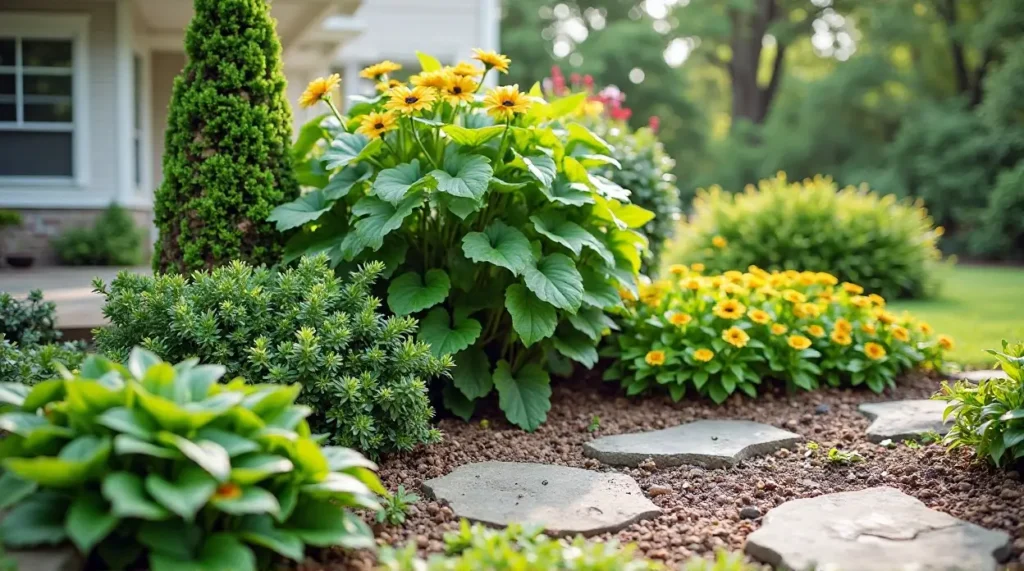
Creating a visually appealing and functional corner landscape can enhance the overall aesthetic of your outdoor space.
The right plant selection is crucial for achieving harmony and balance in these often-overlooked areas. Here are expert tips to help you master the art of corner landscaping:1. Assess the Site Conditions
- Sunlight Exposure: Determine whether the corner receives full sun, partial shade, or full shade throughout the day.
- Soil Type: Test the soil for pH, drainage, and nutrient content to inform plant choices.
- Microclimates: Identify any unique conditions such as wind protection or heat retention that may influence plant growth.
2. Define Your Purpose
- Aesthetic Appeal: Consider whether you want to create a focal point, a backdrop, or a transition between different areas of your landscape.
- Functionality: Decide if the space should provide privacy, attract wildlife, or serve as a buffer against noise or wind.
3. Choose the Right Plants
- Layering: Use a combination of heights, with taller plants at the back and shorter ones at the front to create depth.
- Texture and Color: Select a variety of leaf shapes and colors to add interest. Incorporate seasonal color changes by choosing plants that bloom at different times.
- Native Species: Favor native plants that are well-adapted to your local environment, as they tend to require less maintenance and support local wildlife.
4. Consider Scale and Proportion
- Size of Plants: Ensure that the plants selected are proportionate to the space; avoid overcrowding and allow for future growth.
- Spacing: Adhere to recommended spacing guidelines to prevent competition for nutrients and light.
5. Incorporate Hardscaping Elements
- Pathways and Borders: Use stones, bricks, or mulch to define the area and create visual separation from the surrounding landscape.
- Containers and Raised Beds: Consider using pots or raised beds to add height and interest, especially in smaller corners.
6. Plan for Seasonal Changes
- Evergreen vs. Deciduous: Mix evergreen plants with deciduous ones to ensure year-round interest and structure.
- Seasonal Blooms: Include a variety of flowering plants that will provide color during different seasons to maintain visual appeal throughout the year.
7. Maintenance Considerations
- Watering Needs: Choose plants with similar water requirements to simplify irrigation.
- Pruning and Care: Be mindful of the maintenance needs of each plant, ensuring that you can commit to their care over time.
8. Mind the Wildlife
- Pollinator-Friendly Plants: Select flowers that attract bees, butterflies, and other pollinators to create a vibrant and lively corner.
- Bird-Friendly Options: Incorporate shrubs or small trees that provide food and shelter for birds.
9. Design with a Theme
- Cohesive Style: Ensure that your plant selection fits the overall theme of your garden, whether it’s modern, cottage, tropical, or desert.
- Cultural Elements: If inspired by a particular culture or region, choose plants that reflect that aesthetic.
10. Evaluate and Adapt
- Regular Assessment: Monitor plant health and growth over time, and be ready to adapt your selections based on performance and changing conditions.
- Feedback Loop: Engage with local gardening communities or consult with landscape professionals to gain insights and refine your approach.
- Plant Selection for Corner Landscapes: Choosing the Right Flora
By carefully considering these aspects, you can create a stunning corner landscape that not only enhances your property but also contributes positively to the environment. Thoughtful plant selection is the key to achieving a harmonious and inviting outdoor space.
Comments
Post a Comment